


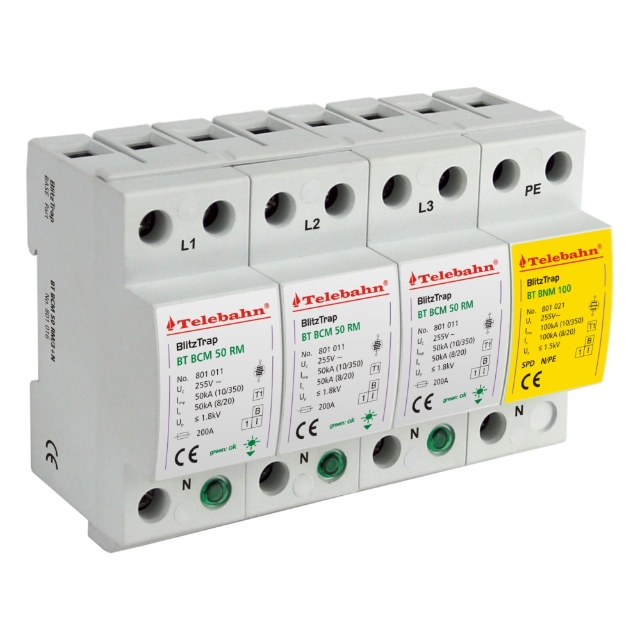
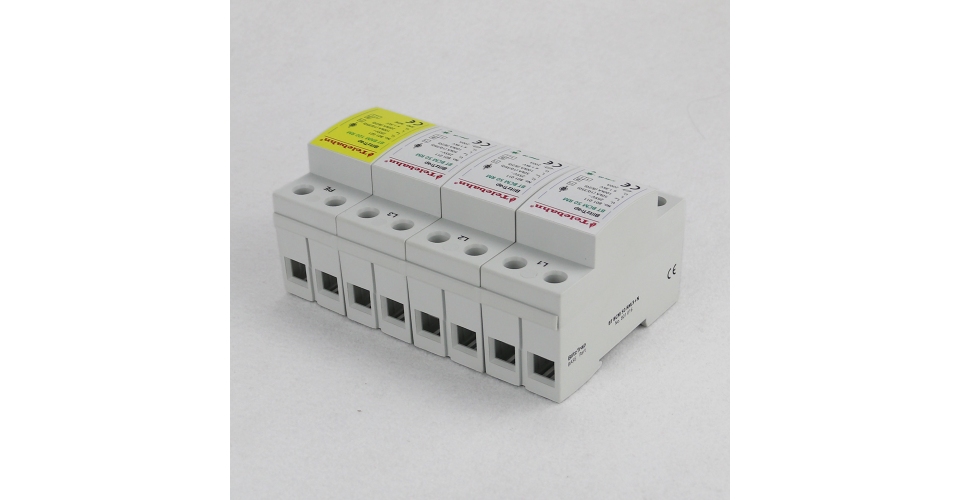
Three Phase Surge Suppressor -BT BCM 50 RM/3+N
-
Type
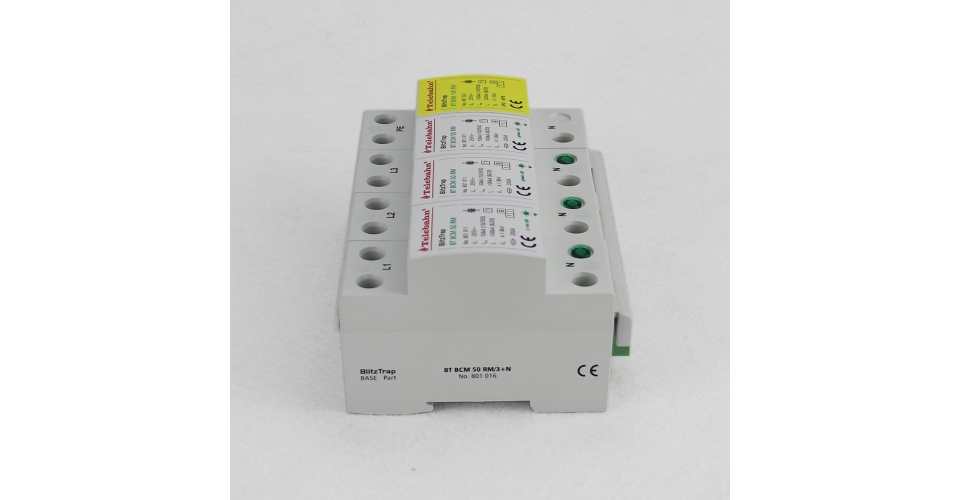
BT BCM 50 RM/3+N
-
Art.-No.
801016


Main Distribution Boards

3 Phase,TT/ TN-S

3P+NPE

High Energy GDT

limp= 50 kA/100 kA (10/350μs), Imax=100kA/200kA(8/20μs)
Three Phase Surge Suppressor is engineered to protect three-phase electrical networks where uninterrupted power and equipment reliability are essential. Installed within power distribution systems, it helps reduce transient overvoltage caused by lightning activity, switching operations, or industrial load fluctuations before it reaches critical equipment. We build each unit for dependable protection across balanced three-phase circuits, supporting motors, drives, switchboards, automation systems, and industrial machinery. With fast surge suppression and stable electrical performance, Three Phase Surge Suppressor helps improve power quality, minimize operational interruptions, and protect valuable assets in demanding commercial and industrial environments.
Three Phase Surge Suppressor:
Three Phase Surge Suppressor is designed for three-phase AC distribution systems exposed to lightning-induced surges, switching transients, and voltage disturbances from heavy electrical loads. Installed at the main distribution panel, sub-distribution board, or equipment control cabinet, it limits transient overvoltage across all three phases before damaging energy reaches connected equipment.We provide configurations for common three-phase wiring systems, including 3P and 3P+N networks. Its coordinated phase protection makes it suitable for industrial machinery, motor control systems, commercial facilities, renewable energy equipment, and other installations requiring dependable power continuity.
Three-Phase Protection Configuration:
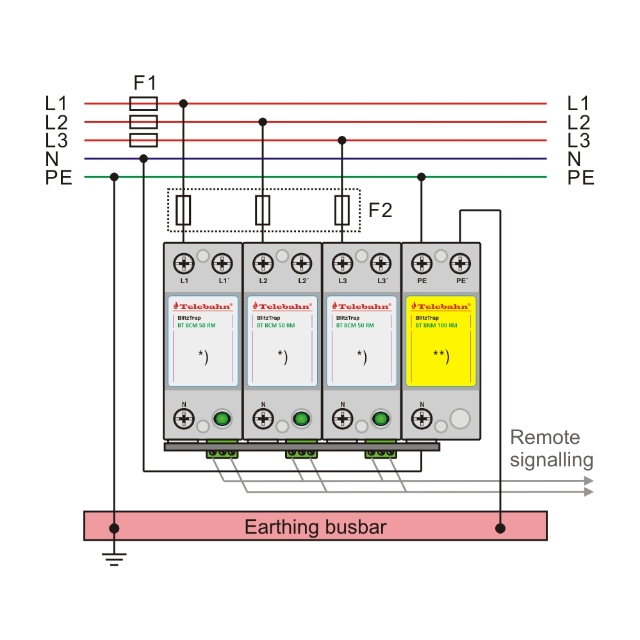
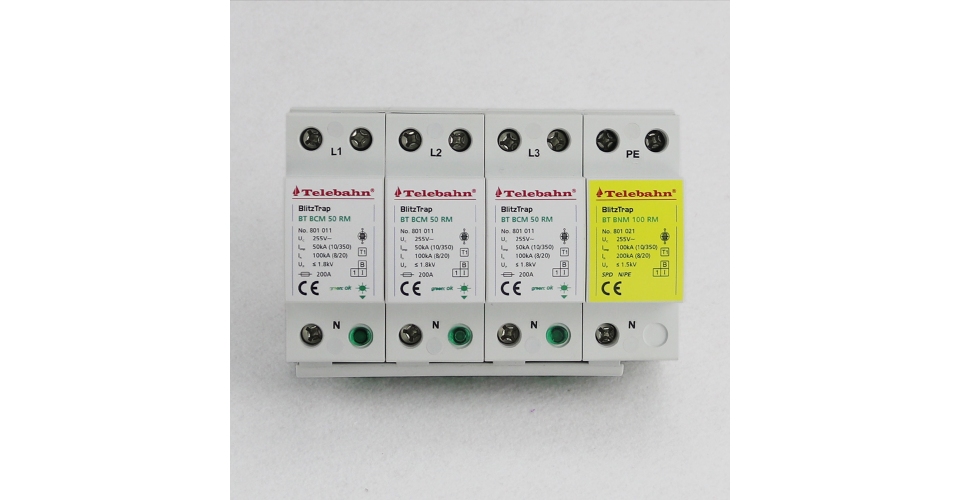
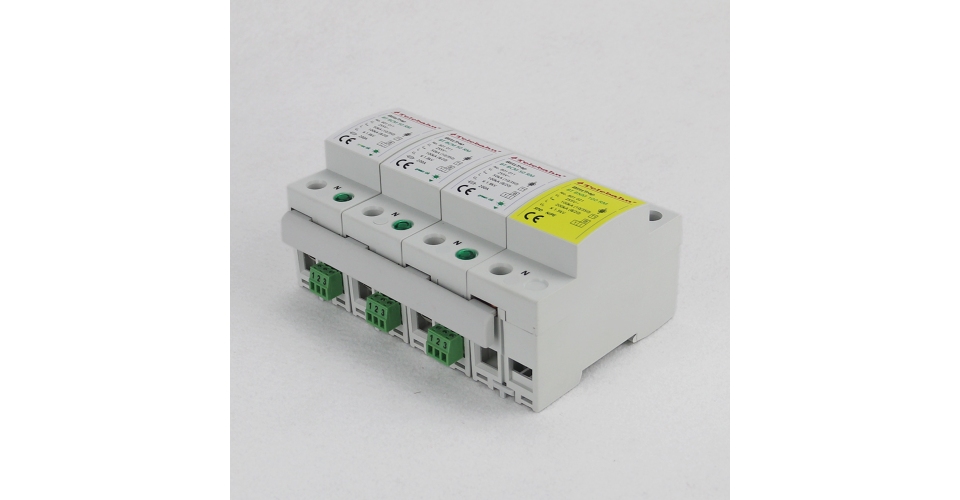
1. Coordinated Phase Protection: Protective modules respond across L1, L2, and L3 to prevent one phase from remaining exposed during a transient surge event.2. Optional Neutral Protection: Configurations for three-phase four-wire systems can include neutral-line protection to control voltage differences between phase, neutral, and earth conductors.
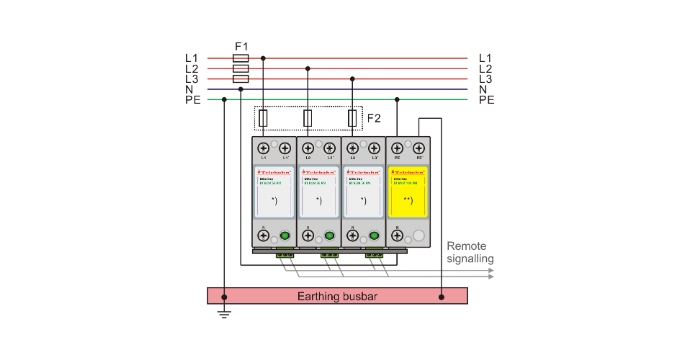
3. Parallel Connection Design: The suppressor connects in parallel with the electrical system, allowing normal operating current to continue flowing without passing directly through the protective module.
4. Modular Protection Structure: Replaceable or independent protection modules simplify servicing and allow damaged modules to be changed without replacing the complete unit.
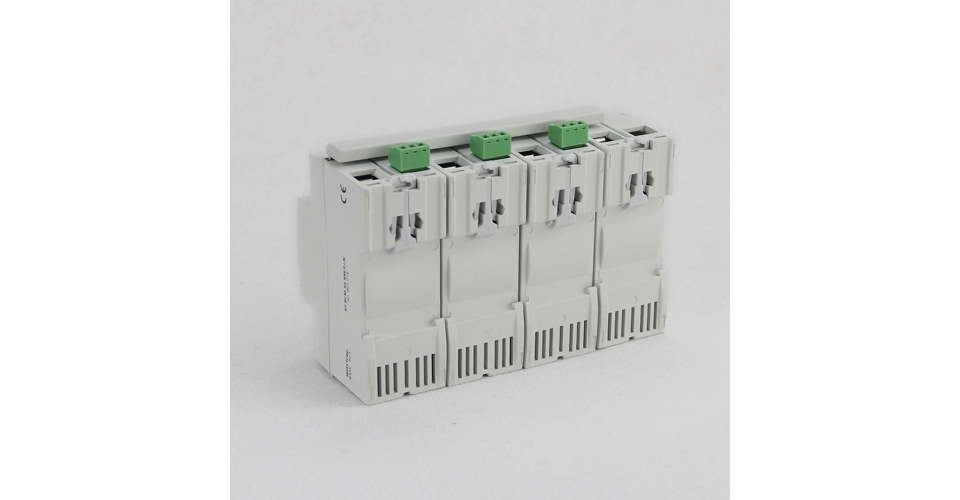
5. Panel-Compatible Installation: Compact construction supports installation in switchboards, motor control centers, control cabinets, and industrial distribution enclosures.
Rated Voltage and Current:
Three Phase Surge Suppressor can be selected according to the nominal voltage, wiring configuration, expected surge exposure, and available short-circuit protection of the electrical system. Common applications include three-phase networks operating at 220/380 V, 230/400 V, 240/415 V, 277/480 V, or other project-specific voltage levels.1. Rated System Voltage: Selected according to the three-phase network and local electrical standard.
2. Maximum Continuous Operating Voltage: Must remain above the normal phase voltage while staying suitable for the protected equipment.
3. Nominal Discharge Current: Indicates the surge current the device can discharge repeatedly under specified test conditions.
4. Maximum Discharge Current: Represents the highest single surge current the suppressor can withstand under its defined waveform.
5. Backup Protective Device: A fuse or circuit breaker may be required according to the suppressor rating and installation standard.
Protection Characteristics:
1. Fast Transient Response: The protection components react within a very short period, limiting overvoltage before it reaches drives, PLCs, control boards, and other sensitive equipment.2. Low Residual Voltage: A controlled voltage protection level reduces the remaining voltage transferred to downstream electrical loads during a surge event.
3. High Surge Discharge Capacity: The suppressor safely diverts high transient current toward the grounding system, reducing electrical stress on distribution equipment.
4. Repetitive Surge Endurance: Durable protection components withstand repeated switching surges and common transient events throughout normal industrial operation.
5. Thermal Disconnection: An internal thermal protection mechanism disconnects a deteriorated module when abnormal heating occurs, reducing the risk of overheating or continued failure.
6. Phase Imbalance Risk Reduction: Independent protection for each phase helps prevent uneven surge exposure from affecting motors, drives, and three-phase control systems.
Operational Benefits:
1. Protects Three-Phase Production Equipment: Coordinated suppression helps protect motors, variable frequency drives, compressors, pumps, conveyors, and automated machinery from transient damage.2. Reduces Unplanned Downtime: Limiting surge-related failures helps production facilities avoid interruptions, emergency shutdowns, and delayed delivery schedules.
3. Supports Stable Motor Operation: Balanced protection across all phases reduces electrical disturbances that may affect motor controls and variable-speed drive systems.
4. Lowers Repair and Replacement Costs: Preventing damage to control boards, power supplies, sensors, and communication modules reduces long-term maintenance expenses.
5. Improves Power System Resilience: The suppressor strengthens electrical installations against lightning activity, grid disturbances, and frequent load switching.
6. Extends Equipment Service Life: Reducing repeated transient stress slows insulation deterioration and premature aging of sensitive electrical components.
7. Supports Multiple Industrial Environments: Suitable for manufacturing plants, commercial buildings, data centers, renewable energy facilities, water treatment systems, and infrastructure projects.
Maintenance and Monitoring:
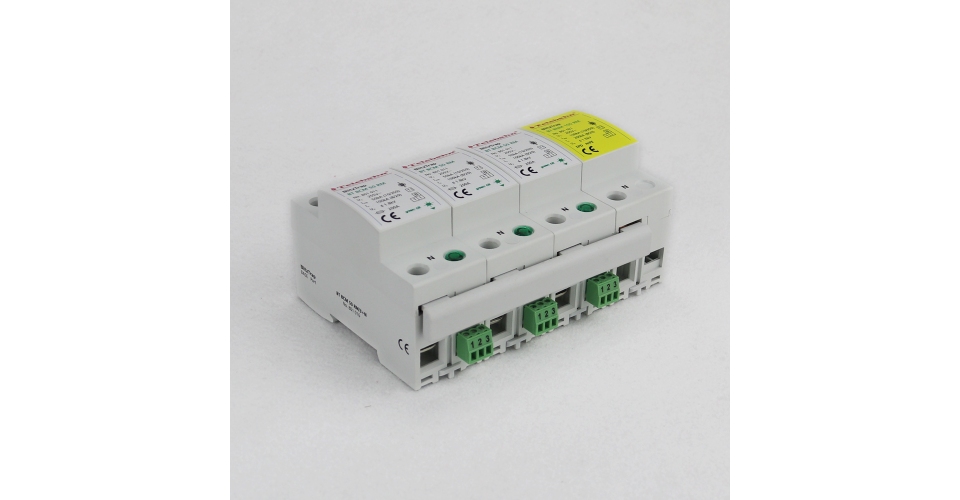
1. Visual Status Indication: Clear status windows or LED indicators allow maintenance personnel to confirm the operating condition of each protection module during routine inspection.2. Per-Phase Monitoring: Independent phase indication makes it easier to identify whether protection remains active on L1, L2, and L3.
3. Remote Alarm Contact: Optional dry contacts can transmit normal, fault, or replacement signals to a building management system or industrial control platform.
4. Replaceable Protection Modules: Plug-in module options reduce maintenance time by allowing individual protective elements to be replaced after end-of-life indication.
5. Simple Routine Inspection: Maintenance teams can check indicators, terminal tightness, grounding continuity, enclosure condition, and signs of overheating during scheduled servicing.
6. End-of-Life Notification: Mechanical or electronic indicators provide a clear warning when a module can no longer deliver its intended protection performance.
7. Preventive Replacement Support: Modules should be inspected after severe lightning events or major electrical faults and replaced when the status indicator shows failure or deterioration.
Technical Data
Product Showcase
Start Your Project
-
 3 Years Warranty
 -
Free Customized Design
-
Welcome OEM and ODM Service
-
CE RoHS CB KEMA TUV Certificates
-
Surge Protecetive Device(SPD)Factory
-
30+ Years Surge Protector SPD Experiences
